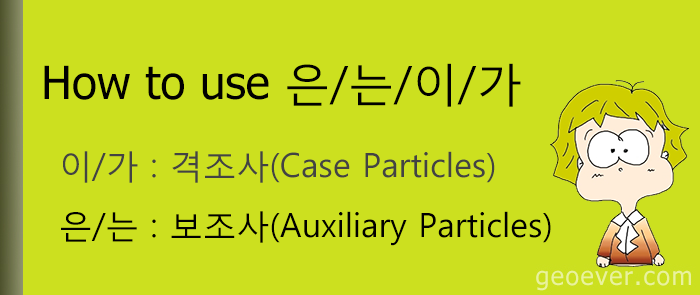
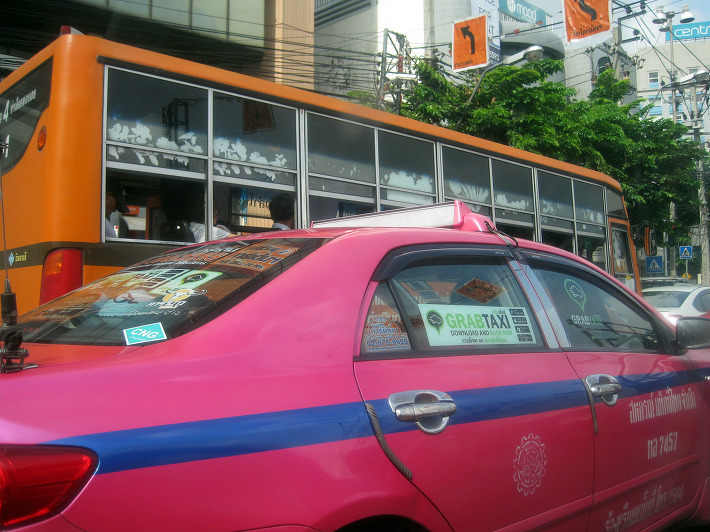
Learning Korean15 How to use Korean particles 은/는/이/가 - Learning Korean ['은'과 '는'] '은' and '는' are auxiliary particles. '은'과 '는'은 보조사입니다. Auxiliary particle is used for adding a certain special meaning and it can be placed in the subject position as being placed behind a noun. 보조사는 어떤 특별한 뜻을 더해 주는 역할을 하며, 문장에서 명사 뒤에 붙어서 주어 자리에 올 수 있습니다. When you should use '은' and when you should use '는'... '은'을 사용하는 경우와 '는'을 사용하는 경우... If an auxiliary particle is attached to a noun.. 2023. 5. 28. More expressions of Greetings and Four Seasons - Learning Korean More expressions of Greetings 오랜만입니다.(Polite/Formal) / 오랜만이다.(to Friend or Junior) Long time no see. 그동안 어떻게 지냈어요? How have you been? 안녕히 가세요.(Polite/Formal) / 잘 가.(to Friend or Junior) Goodby / Farewell 다음에 다시 만나요(Polite/Formal)/ 다음에 보자.(to Friend or Junior) See you next time! 내일 또 만나요.(Polite/Formal)/ 내일 보자.(to Friend or Junior) See you tomorrow! 안녕히 주무세요.(Polite/Formal)/ 잘 자.(to Friend or Jun.. 2023. 5. 28. Did you know that? Time and Meals in Korean - Learning Korean 한국어에서 아침, 점심, 저녁은 동음이의어입니다. In Koran, 아침, 점심, 저녁 are homonyms. 아침 : Morning or Breakfast 점심 : Noon or Lunch 저녁 : Evening or Dinner When they are used as time - 시간으로 쓰일 때 좋은 아침입니다! Good morning! 내일 아침에 만나요. See you tomorrow morning. 오늘 저녁엔 뭐 할 거예요? What are you going to do this evening? 좋은 저녁(시간) 되세요! Have a good evening! [Audio File] When they are used as meals - 식사의 의미로 쓰일 때 (아침/점심/저녁) 먹었어요? Ha.. 2023. 5. 28. Using transportation : 교통 수단 이용 하기 - Learning Korean Taking a taxi : 택시 타기 어디 가세요? / 어디로 모실까요? Where are you heading? 경복궁(Gyeongbokgung)에 가 주세요. Please, take me to Gyeongbokgung./ I am going to Gyeongbokgung. 여기에서 세워 주세요. 얼마예요? Please, stop here. What do I owe you? 오천원입니다. Five thousand won. 감사합니다. Thank you. [Audio File] How to use public transportation : 대중 교통 수단 이용하기 이 주소로 가 주세요. Please take me to this address. 좀 빨리 가 주시겠어요? Can you go quickly?.. 2023. 5. 28. 이전 1 2 3 4 다음